The Rise of the Independent Streetwear Brand: Why the Giants Are Losing
For two decades, streetwear was a gatekept industry. You needed a flagship store, a distribution deal, and a celebrity co-sign to matter. Without those, you were printing shirts in your garage and selling them to your cousin.
That world is gone.
In 2026, the most exciting streetwear brands aren’t on Madison Avenue. They’re on Instagram, on X, on Shopify. They’re run by people who understand that the internet didn’t just lower the barrier to entry — it eliminated it.
The Old Playbook (And Why It Died)
The old streetwear playbook was simple: build hype through scarcity, partner with retailers, pay celebrities to wear your stuff, and hope the culture follows.
It worked. For a while. But it created a problem: the brands became so focused on hype that they forgot to make good clothes. The drops got more attention. The quality got less. People kept buying — but they started resenting what they were buying.
Then the internet happened. Then social media happened. Then direct-to-consumer happened. And suddenly, the person printing shirts in their garage had access to the same audience as the brand on Madison Avenue.
The New Playbook
The independent streetwear brands that are winning in 2026 share three things:
1. They have a point of view.
Not a logo. Not a aesthetic. A point of view. Something to say about the world. The brands that feel like they stand for something — anything — are the ones people wear with pride. The ones that feel like they stand for nothing are the ones people wear once and forget.
2. They control their distribution.
No department stores. No wholesale accounts. No middlemen marking up prices and marking down quality. The brand sells directly to the customer. The customer pays less. The brand makes more. Everyone wins except the middleman.
3. They treat their audience like a community, not a market.
The old brands ran ads. The new brands run conversations. They respond to DMs. They ask for feedback. They post behind-the-scenes content. They make their customers feel like they’re part of something — because they are.
The Quality Revolution
Here’s what the giants missed: when you remove the layers of markup, you can afford to make better clothes for the same price.
A $60 t-shirt from a legacy brand costs $60 because of retail markup, wholesale margins, licensing fees, and marketing budgets. The actual shirt costs $8 to make.
A $35 t-shirt from an independent brand costs $35 because there’s no markup. The shirt costs $15 to make. The customer gets a better product for less money.
This is why the giants are losing. Not because the independents are cooler. Because the independents are better.
The AREEZZ Philosophy
We started AREEZZ with one question: what if we made streetwear that actually lived up to the price tag?
No hype drops. No artificial scarcity. No celebrity endorsements we can’t afford. Just well-designed tees made from heavyweight cotton, sold directly to people who give a damn about what they wear.
Every design is intentional. Every fabric is chosen. Every size chart is published. Every order ships from the same place it’s printed.
We’re not trying to be the next Supreme. We’re trying to be the first AREEZZ.
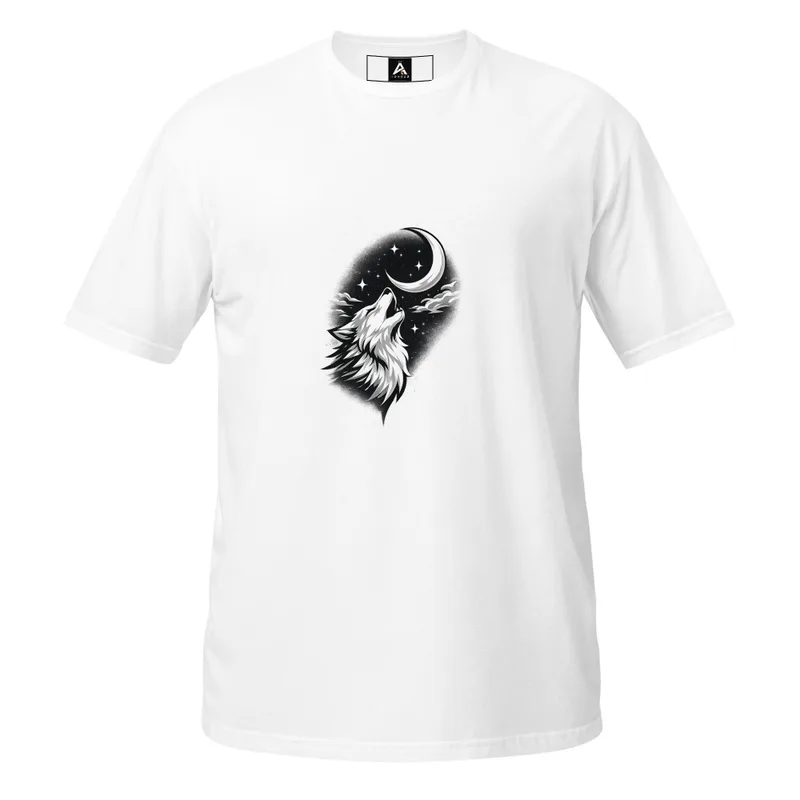
Two design calls of ours, on the record: Browse current graphic pieces — one motif, drawn rather than decorated — and Browse current graphic pieces — nostalgia as design, not costume. Judge us by those first.
What This Means for You
If you’re buying streetwear in 2026, you have a choice that didn’t exist ten years ago. You can buy from a brand that spends your money on marketing, or you can buy from a brand that spends your money on the product.
The independent brands can’t afford to make bad clothes. The giants can’t afford to make good ones.
That’s not a coincidence. That’s the market working.
Experience the difference at areezz.com. Independent streetwear made right.