Streetwear and Music: How Hip-Hop Built a Fashion Empire
Streetwear didnt start in a design studio. It started in a basement in the Bronx, at a block party in Brooklyn, in a cypher where someones oversized hoodie became the uniform of a generation.
The relationship between streetwear and music isnt a collaboration. Its a bloodline.
The Block Party Era (1970s-1980s)
When DJ Kool Herc threw the first block party in 1973, nobody was thinking about fashion. But the kids who showed up were already building the blueprint. B-boys in Puma Suedes. Tracksuits from brands that had no idea they were about to become streetwear icons. The aesthetic was born: functional, comfortable, and unmistakably cool.
Run-DMC made Adidas tracksuits a uniform. Not through a paid partnership — through a song. My Adidas wasnt an ad. It was a manifesto. When the group walked into a meeting with Adidas executives and thousands of fans showed up holding their sneakers, the deal was signed before anyone said a word.
This is the first lesson streetwear learned from music: authenticity sells itself.
The Brand Era (1990s-2000s)
Wu-Tang Clan launched Wu-Wear. Pharrell launched Billionaire Boys Club. Jay-Z wore Rocawear on album covers. The music industry realized that the clothes were part of the product — sometimes bigger than the music itself.
But the brands that survived werent the ones with the biggest marketing budgets. They were the ones that felt like they belonged to the culture. Supreme didnt run ads. Supreme ran a skate shop in downtown Manhattan and let the culture come to them.
The lesson: you cant manufacture cultural relevance. You have to earn it.
The Collab Era (2010s)
Kanye West and Nike. Travis Scott and Jordan. Tyler, the Creator and Converse. The collab became the drop, and the drop became the event.
Suddenly, a t-shirt wasnt just a t-shirt. It was a timestamp. A moment in culture that you either caught or missed. Resale markets exploded. Lines formed around blocks. People camped for days.
The music industry had created scarcity with limited vinyl pressings. Streetwear borrowed the playbook and scaled it.
2026: The Post-Brand Era
Heres where it gets interesting. The biggest streetwear brands today arent the ones with celebrity endorsements. Theyre the ones with a point of view.
Music taught streetwear that you dont need everyones attention — you need the right peoples attention. A niche audience that believes in what youre doing will outspend, outshare, and out-evangelize a mass market thats only mildly interested.
This is why independent streetwear brands are thriving. The barrier to entry is lower than ever, but the barrier to relevance is higher than ever. You can print a t-shirt in 24 hours. You cant print credibility.
What This Means for You
If youre buying streetwear in 2026, youre not buying fabric. Youre buying into a story that started in a Bronx basement and went global. The best brands know this. The worst ones pretend they dont.
When you wear a graphic tee that actually means something — not a logo slapped on a blank, but a design with intention — youre carrying that 50-year lineage forward. Youre part of the conversation.
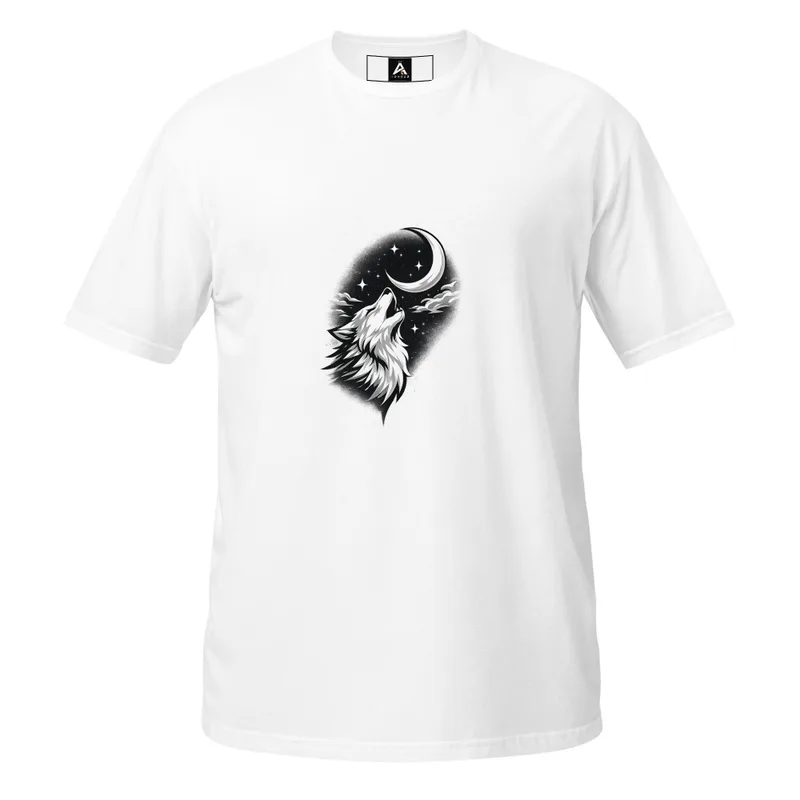
Want the lineage in your rotation? Go the original-graphics route: Browse current graphic pieces for golden-era type energy, Wolf graphic tee for the independent-mind uniform, Browse current graphic pieces when the statement needs zero words.
The music never stopped. It just changed what it was wearing.
Shop graphic tees with intention at areezz.com. Every design is made to say something worth hearing.