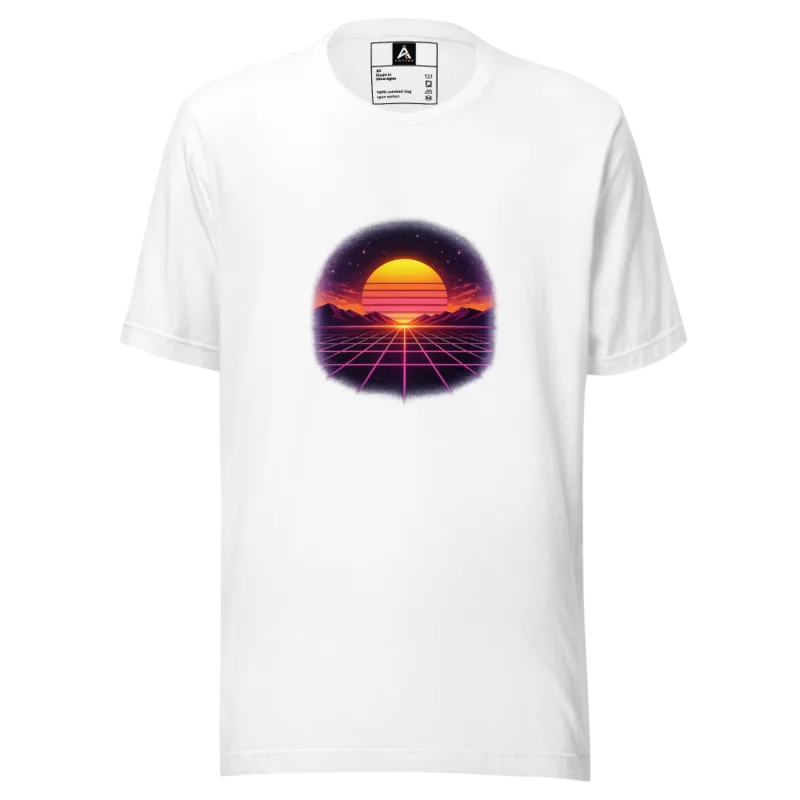
Quick answer: GSM is fabric weight — grams per square metre — and it decides how a tee drapes, how opaque it is and how long the print stays sharp. Areezz tees are 180 GSM pre-shrunk combed cotton, right at the start of the heavyweight zone; blanks under 150 GSM go see-through fast. Here is the honest breakdown.
Most tees feel the same on the rack. Wash them once and the truth comes out — thin fabric pills, stretches, and loses shape. Heavyweight cotton (180gsm+) holds its structure, drapes clean, and ages well. The print is only as flat as the fabric under it.
The Numbers
- Under 150gsm — thin, translucent, warps after one wash
- 150-180gsm — standard, decent but nothing special
- 180gsm+ — heavyweight, holds shape, premium feel
- 220gsm+ — ultra-heavy, structured, almost jacket-like
At Areezz, our tees run 180gsm pre-shrunk combed cotton — right at the start of the heavyweight zone: solid enough to hold shape and print detail, light enough to actually wear year-round. Where real weight matters, fleece takes over — the Wolf graphic hoodie runs 271gsm. Match the fabric to the job; don’t inflate the number.
What GSM Actually Buys You
Under 150, cotton goes translucent: collars sag, prints sit on thin cloth, and the tee reads disposable. Around 180, you get opacity, a cleaner drape, and a stable surface for line work — plus a tee you can still wear in July. Above 200, you’re buying structure: warmer, stiffer, better suited to fleece or layering than to a summer rotation. None of these are wrong — they’re just different jobs.
How to Feel the Difference (No Lab Required)
Pinch it: doubled-up cotton that feels like paper is telling you something. Hold it to light: cheap blanks glow through. Stretch the collar: quality cotton snaps back, cheap cotton relaxes and stays relaxed. Then the honest test — wash it cold ten times and look in the mirror. Shape-stable cotton keeps its shoulders; filler cotton doesn’t. The thing you couldn’t name on the rack is obvious by wash ten.
Why This Matters More for Prints Than for Plain Tees
A smooth, stable face is what a graphic needs. Fine elements — the hard geometric edges on the Browse current graphic pieces or the type detail on the Browse current graphic pieces — only land sharp on fabric that doesn’t shift between washes. Heavy canvas knits swallow fine detail; thin blanks can’t carry it. 180gsm combed cotton is the middle that does both.
The Point
Feel the fabric before you believe the label. 180gsm combed cotton is the honest workhorse for printed tees; 271gsm fleece is where winter weight comes from. Know which one you’re paying for, and “the fabric difference you can feel” stops being a slogan and becomes a fact.
Three Myths, Corrected
“Heavier is always better” — no: it’s better for fleece, worse for July. “A premium tee has to be 220+” — premium is fabric quality and finishing, not one number; a clean 180gsm combed blank outperforms a rough 240gsm open-end one. “The label tells you everything” — the label tells you the weight; the fabric tells you the rest. That’s also why the numbers on our product pages sit in plain view — no marketing fog required.